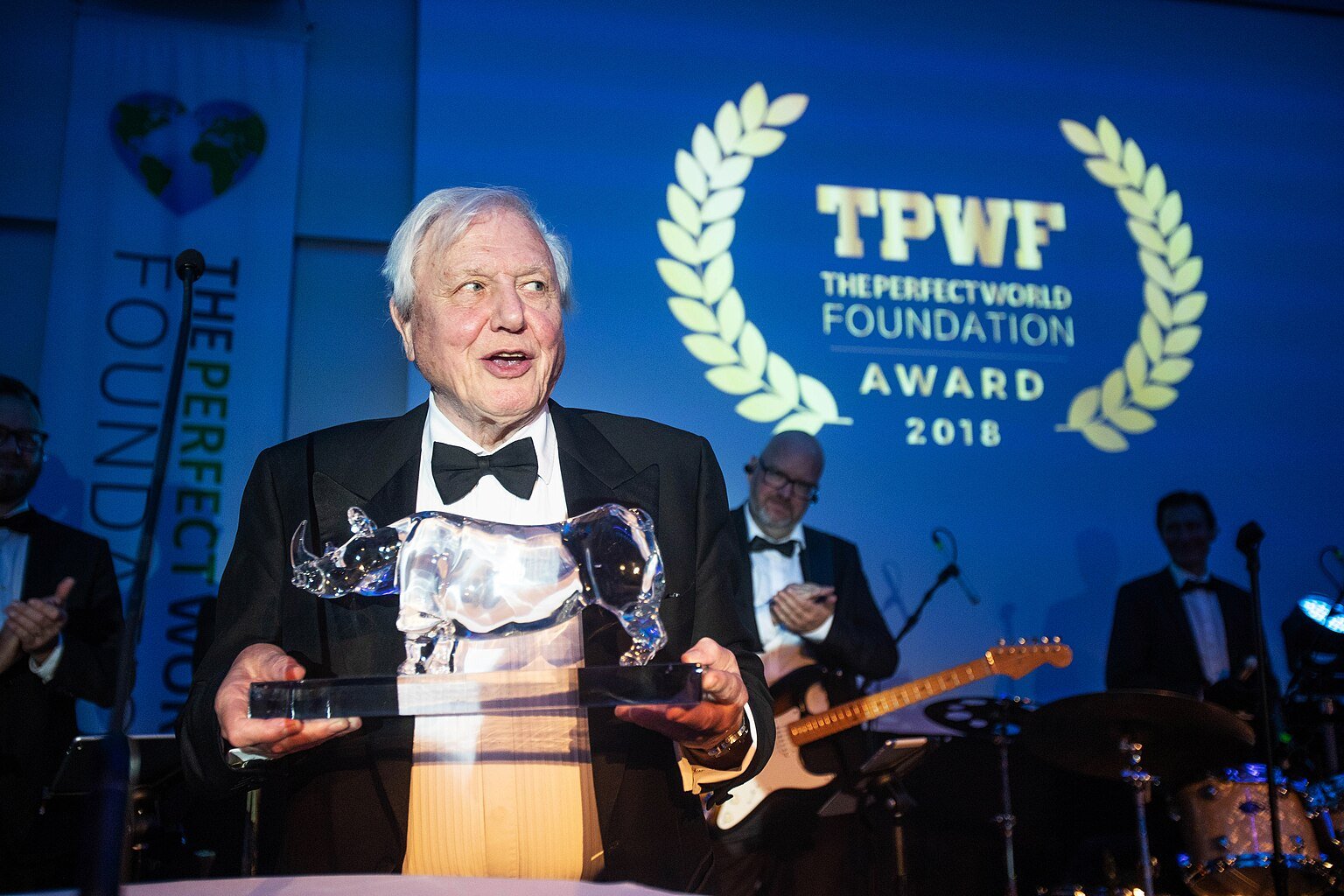
The man behind the voice

A LIFE OF CURIOSITY.

He went from a kid who collected fossils and kept newts in his bedroom to one of the most famous and trusted voices on Earth, and he never once stopped being curious. His career has lasted more than 70 years, which is longer than most people even live. This is how it happened.

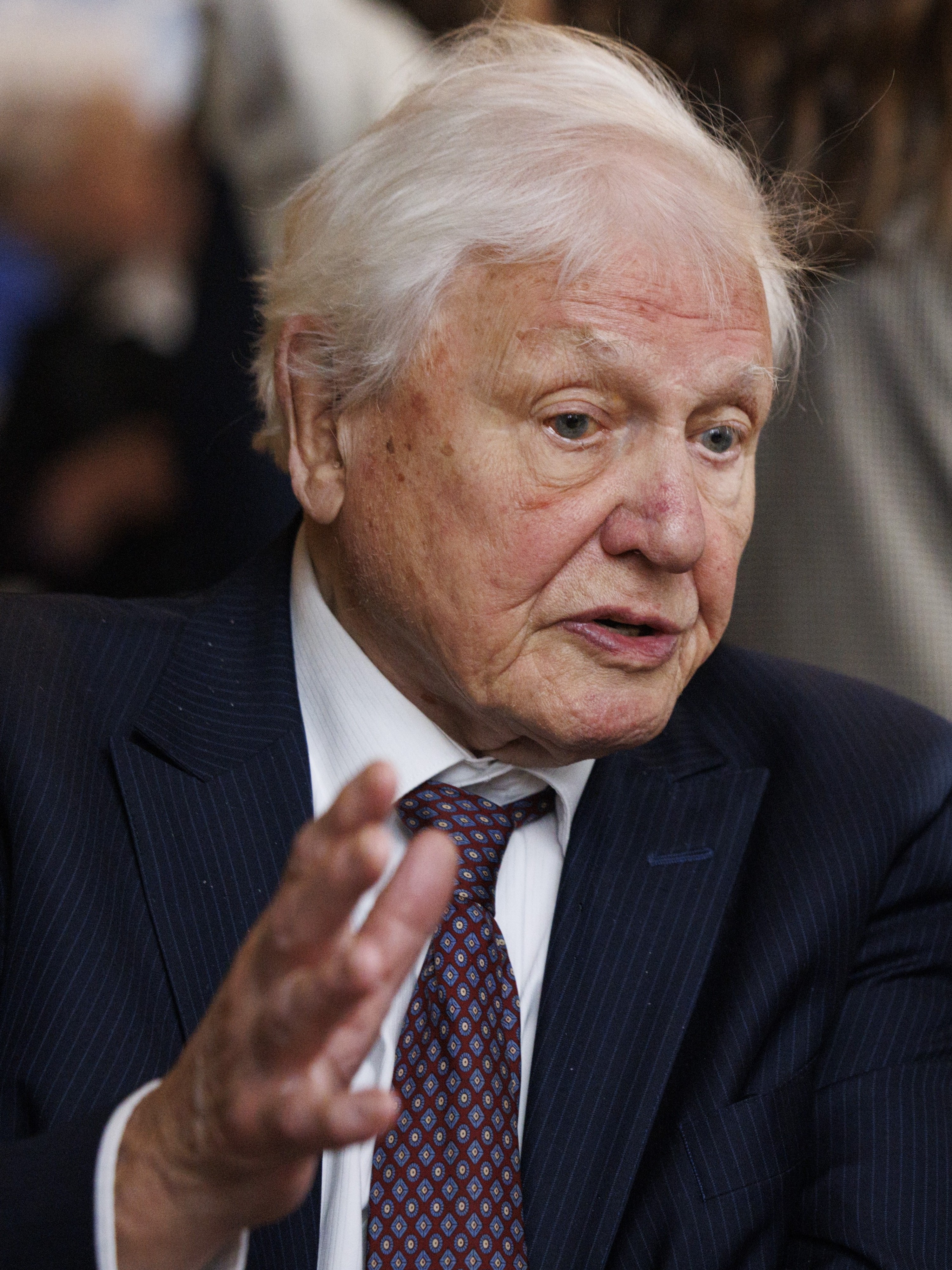
David Attenborough photographed in 2025
Simon Dawson / No 10 Downing Street. Contains public sector information licensed under the Open Government Licence v3.0. Displayed in monochrome.
Naturalist & broadcaster

HE MAKES YOU
ACTUALLY CARE.

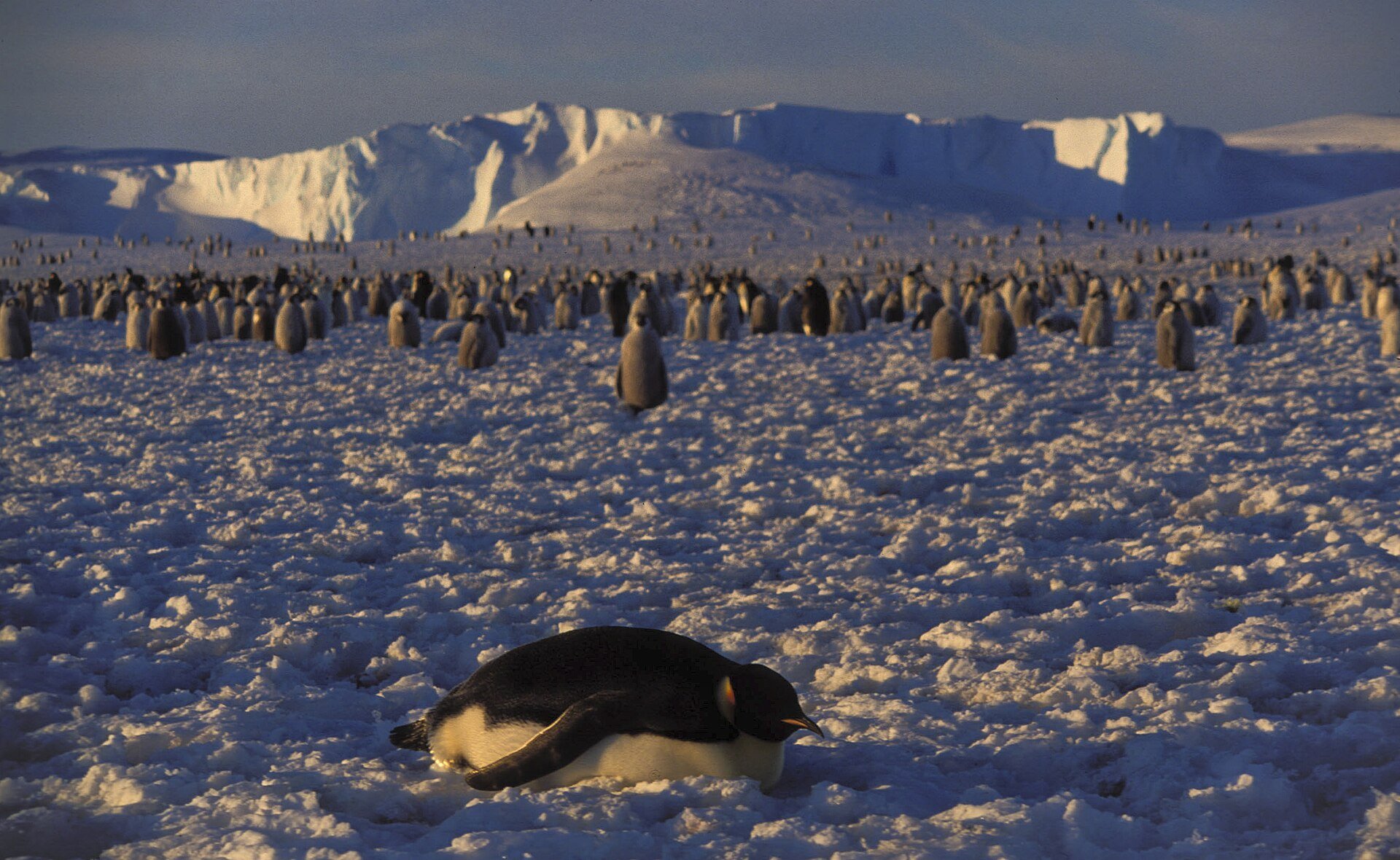
Sir David Frederick Attenborough is an English broadcaster and naturalist, and his job is basically travelling to wild places and telling the rest of us what he found there. He knows a huge amount of science, but he explains it in a way that anyone can understand, which is why pretty much everyone on the planet recognises his voice. Over his career he has visited every continent and filmed everything from tiny insects to blue whales, often waiting for days in freezing or dangerous conditions just to capture a few seconds of footage.

He studied natural sciences at Cambridge and joined the BBC in 1952, after actually being rejected for a job in radio. He started as a trainee producer, then ended up in front of the camera almost by accident when the presenter of Zoo Quest fell ill, and he never really left. Later he even ran BBC Two, where he helped bring colour television to Britain in 1967, before giving up the desk job to go back to filming in the wild. He was knighted in 1985 for his services to television. Honestly, he basically invented nature documentaries as we know them, and series like Life on Earth, Planet Earth and Blue Planet II have been watched by hundreds of millions of people around the world.

Born
8 May 1926 · Isleworth, England
Education
Natural sciences · University of Cambridge
Knighthood
1985 · Knighted for his services to television
Career
70+ years · Broadcasting, writing and conservation
Pictures from the journey

MOMENTS IN PICTURES.

How he got here

MOMENTS THAT MATTER.

1926

A curious kid

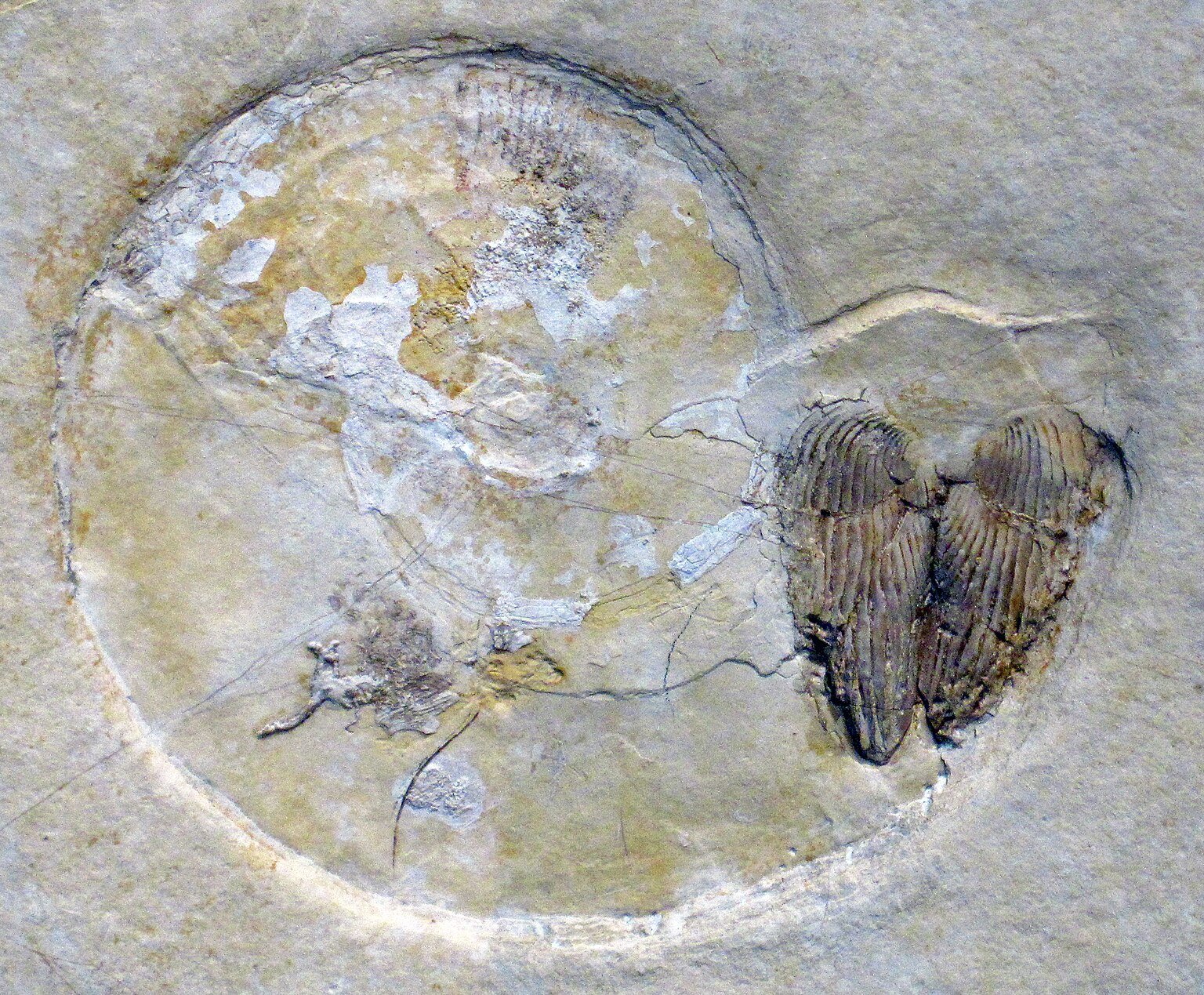
Born on 8 May in Isleworth, England and raised in Leicester. He spent pretty much his entire childhood hunting for fossils, collecting stones and being nosy about animals. His parents actually encouraged it, which probably explains a lot.

1952

Starting at the BBC

He studied natural sciences at Cambridge, served in the Royal Navy, and then got a job at the BBC as a trainee producer. Fun fact: he actually applied for a radio job and got turned down, but TV took him instead.

1954

Into the wild

Zoo Quest took him out of the studio and on to actual expeditions, filming animals where they genuinely live. When the presenter got sick, David stepped in front of the camera himself, and the rest is history.

1965

Running a TV channel

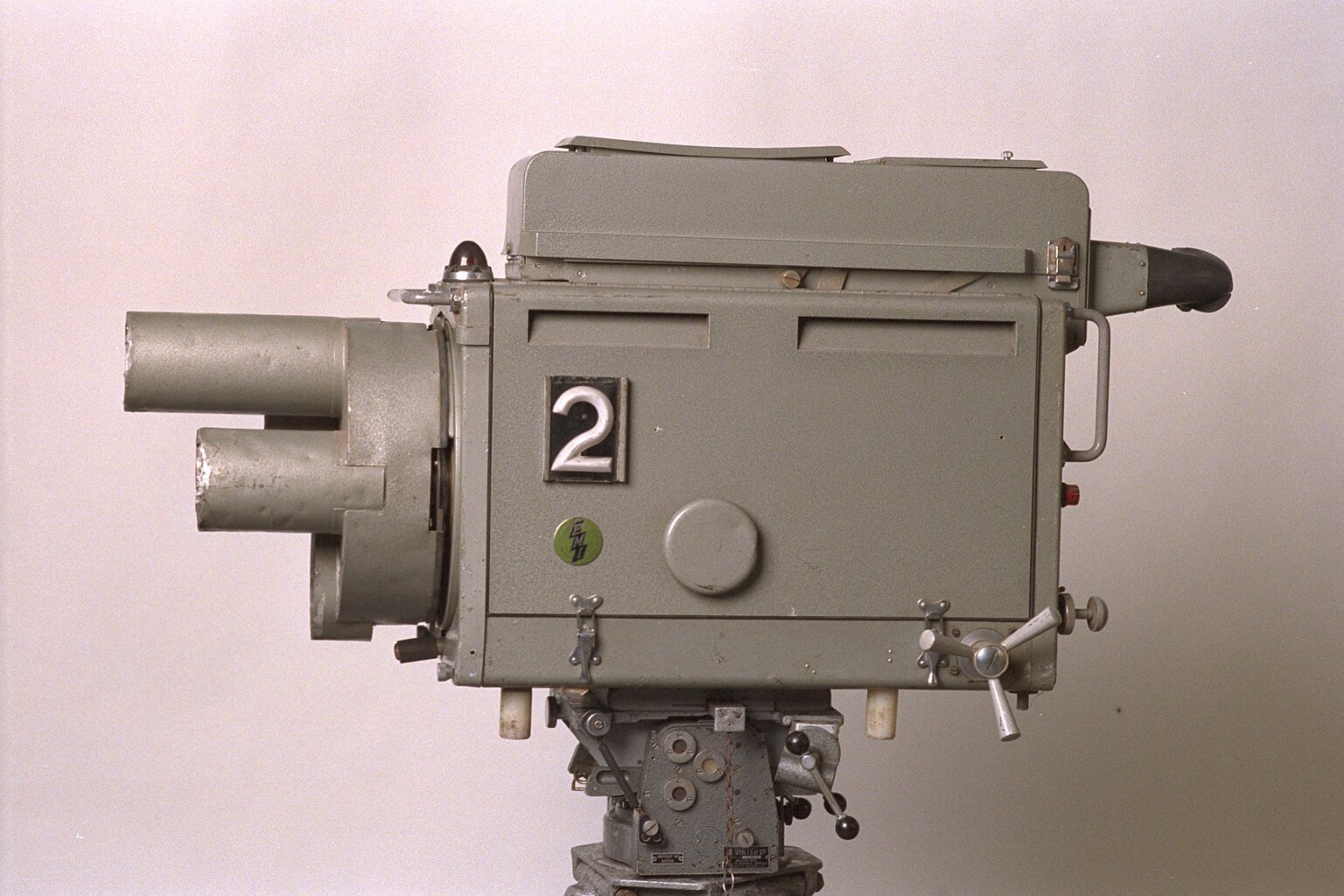
He got the job of running BBC Two, which is kind of insane, and helped bring colour TV to Britain in 1967. But sitting behind a desk was never really him, so he went back to making programmes.

1979

Life on Earth

His giant series about evolution was watched all over the world and completely changed how nature documentaries get made. It proved that millions of people would actually sit down and watch science.

2020

A witness for the planet

A Life on Our Planet looked back at everything he has watched change in his lifetime, and told us what we could still do about it. He called it his witness statement, like evidence in a trial for the planet.